CIRCLE & KEYPrivate Travel Atelier
← Europe

A Circle & Key private passage

The Epic Return: The Odyssey

A 12-Day Private Passage from Troy to Ithaca

12 Days · Troy → Ithaca

The Preface

Every great life has a journey home.

The Odyssey is not a myth of the ancient world. It is the oldest account we have of a man who wins everything and then spends a decade trying to get back to the only place that could measure it. Every navigator who has built something large eventually reads it differently.

This passage follows the water rather than the story. It begins at a strait through which the grain of empires still moves, and ends on an island whose own name is contested by scholars. Between the two you will meet the people who hold these waters now: a pilot who takes ships through the narrows, a shipowner whose family read the same charts for four generations, a maker whose hands know a hull the way a surgeon knows a wrist, and a family who left an island after the ground moved in 1953 and came back sixty years later to find their house still standing.

Some of it will not flatter the myth. Two islands claim to be Ithaca, two countries claim Homer, and the villages you sail past are emptier each year. We have not smoothed any of that away. A journey that only agrees with you teaches nothing.

Certain names and houses in this passage are not written down. They are given in person, on the day.

Chapter I · Days 1 & 2

The Ashes of Troy

Çanakkale · The Dardanelles · Hisarlık

“Every return begins where the war ended.”

Day 1. Private jet into Çanakkale and a short transfer to a restored Ottoman house above the water. The strait is not scenery here; it is the reason for everything that follows. Freighters pass close enough to read their names, and they pass in a queue, because the water narrows to a little over a kilometre and the current runs against them.

Late afternoon, a private hour with one of the strait's licensed pilots — the men and women who board those ships and take the helm through the narrows, several hundred times a year. Not a lecture on Troy. An account of what it costs to move the world through a gap this size, and what happens when it closes. By the end of the hour the war has a logic that no wall of text supplies.

Evening at the house with a classicist who has spent thirty years arguing about this coastline: what Homer knew, what he invented, and why both Turkey and Greece consider him theirs. You will hear the argument made honestly from the Anatolian side, which most visitors never do.

Day 2. Morning at height above the mouth of the strait, then down to the plain. From the air the site of Troy stops being a mound and becomes an obvious decision — a city set where a bay once opened, taxing everything that waited for wind.

Late afternoon, private access to Hisarlık after the gates have closed. Nine cities stacked on one another, and an archaeologist who will show you the seams between them, including the layer she does not believe is Homer's and will tell you why. You will stand at the Scaean Gate as the light goes, with no one else on the hill.

The Signature Dinner

A candlelit table set within the site after hours — Bronze Age ingredients read through a modern kitchen, and a long conversation about the weight of victory with the people who dig here.

Tonight · The Ottoman house above the Dardanelles.
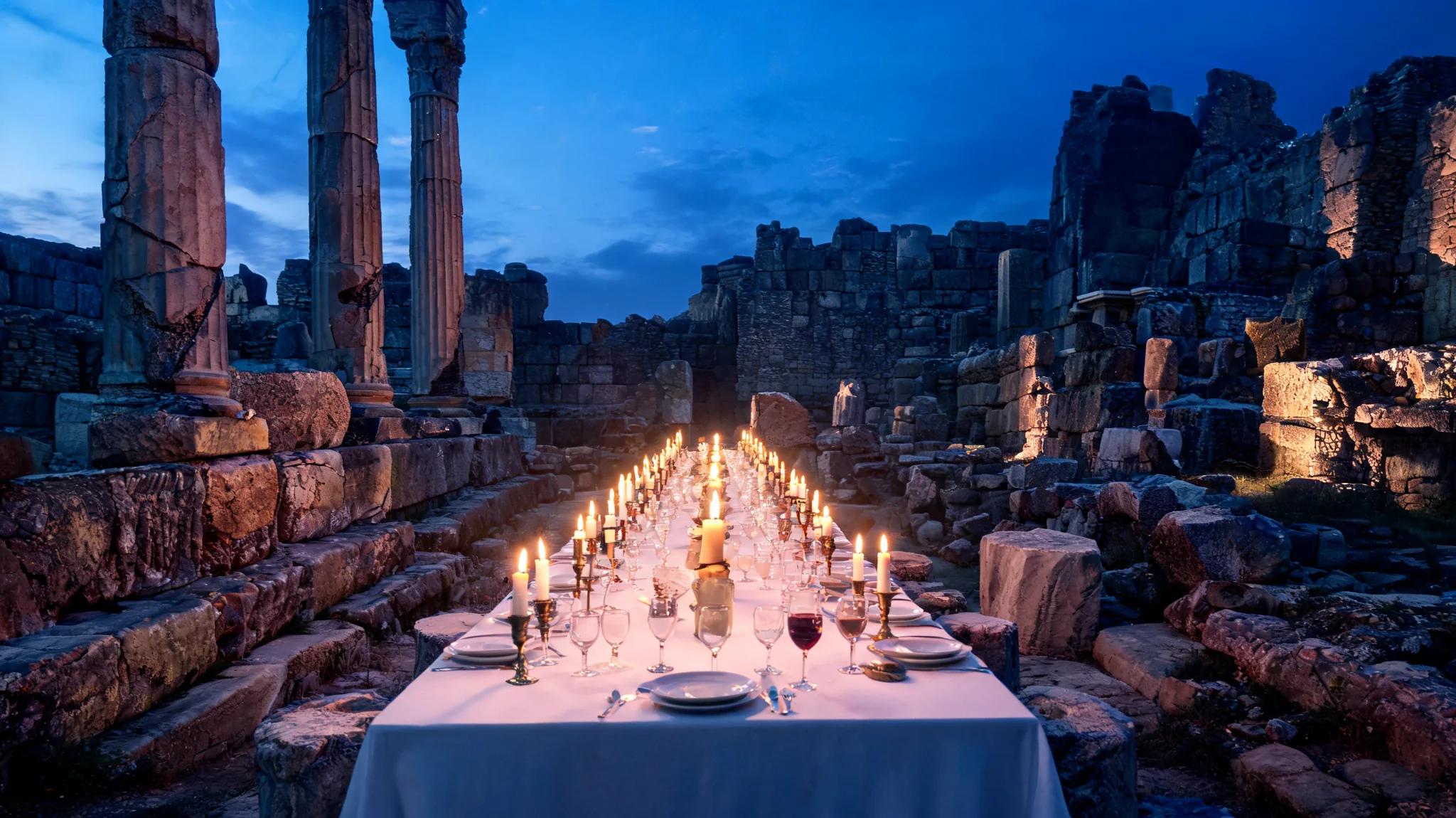
Candlelit banquet among ancient ruins
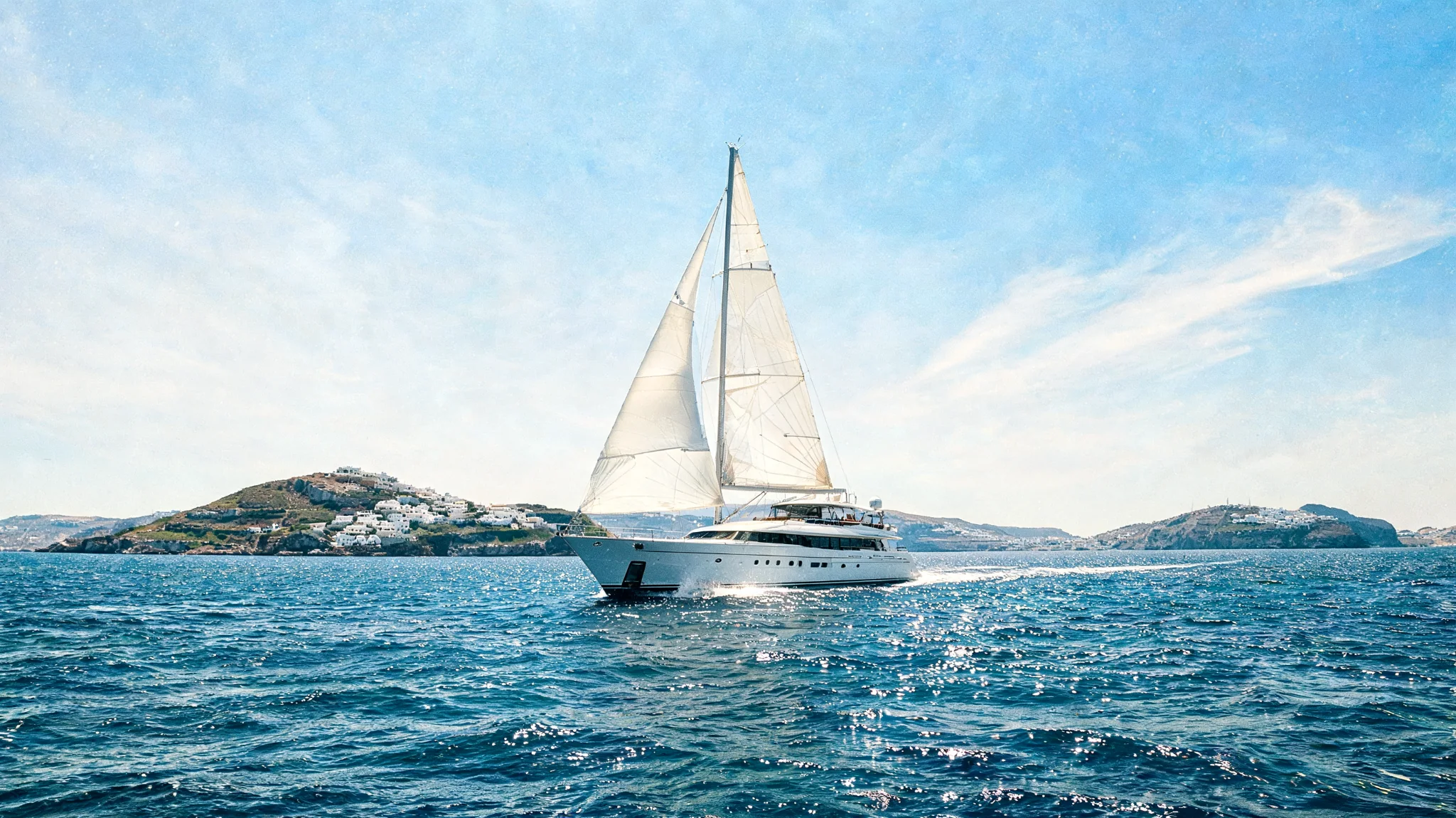
Private sailing yacht in the Aegean

Chapter II · Days 3 & 4

The Sea of Trials

The North Aegean · The Thracian Coast

“Leaving the shore and embracing the unknown.”

Day 3. Embarkation on a 45-metre sailing yacht. The first day is deliberately unstructured: the crossing takes as long as the wind decides, and there is nothing to see but the same horizon Odysseus complained about for ten years.

Two things are asked of you, both optional. The first is a watch. The captain will hand you the helm and the course, and you will hold it — properly, with the instruments covered — long enough to understand that navigation is a physical argument with water and not a line on a screen.

The second is dinner in the crew mess rather than on the aft deck. Most of the crew are third- or fourth-generation seafarers from islands with fewer than four hundred residents. Ask them what their villages look like in February.

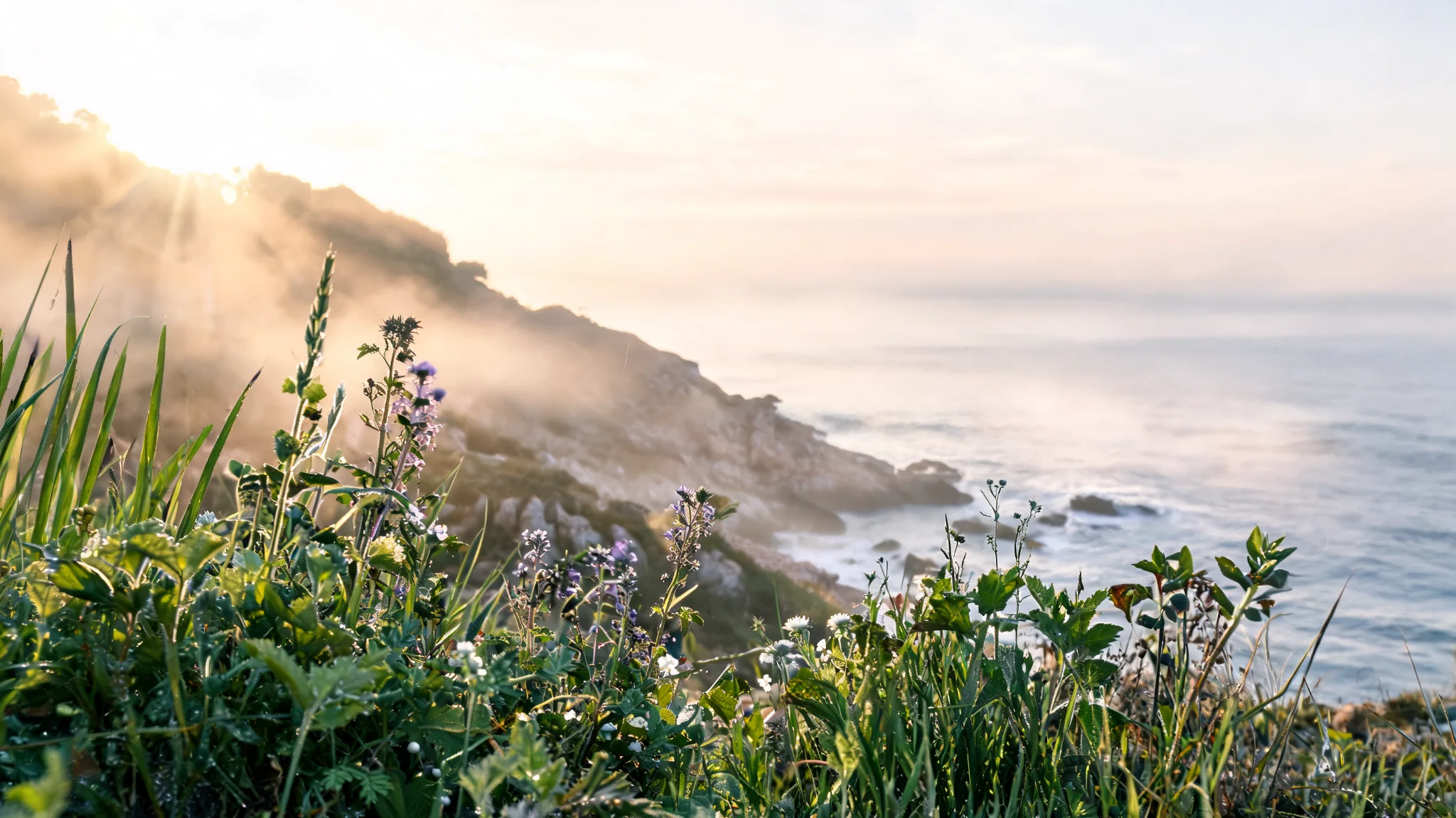
Day 4. Ashore on the coast Homer called the land of forgetting, with a botanist who works on what is actually growing here and what has stopped. Some of the plants in the poem are identifiable. Some were never plants at all. She will not pretend otherwise.

Afternoon with a fisherman whose family has worked this coast for a century and whose sons have not stayed. You will haul with him, badly, and afterwards he will tell you plainly what has happened to the catch in thirty years. This is the first of several conversations on this passage that do not resolve.

The Experience

A night watch under sail with the captain — stars, a paper chart, and the instruments covered.

Tonight · Aboard, anchored off the Thracian coast.

Wild Mediterranean coastal botanicals

Chapter III · Days 5 & 6

The Gateway to the Past

Epirus, Greece

“Confronting the ghosts that shadow every great journey.”

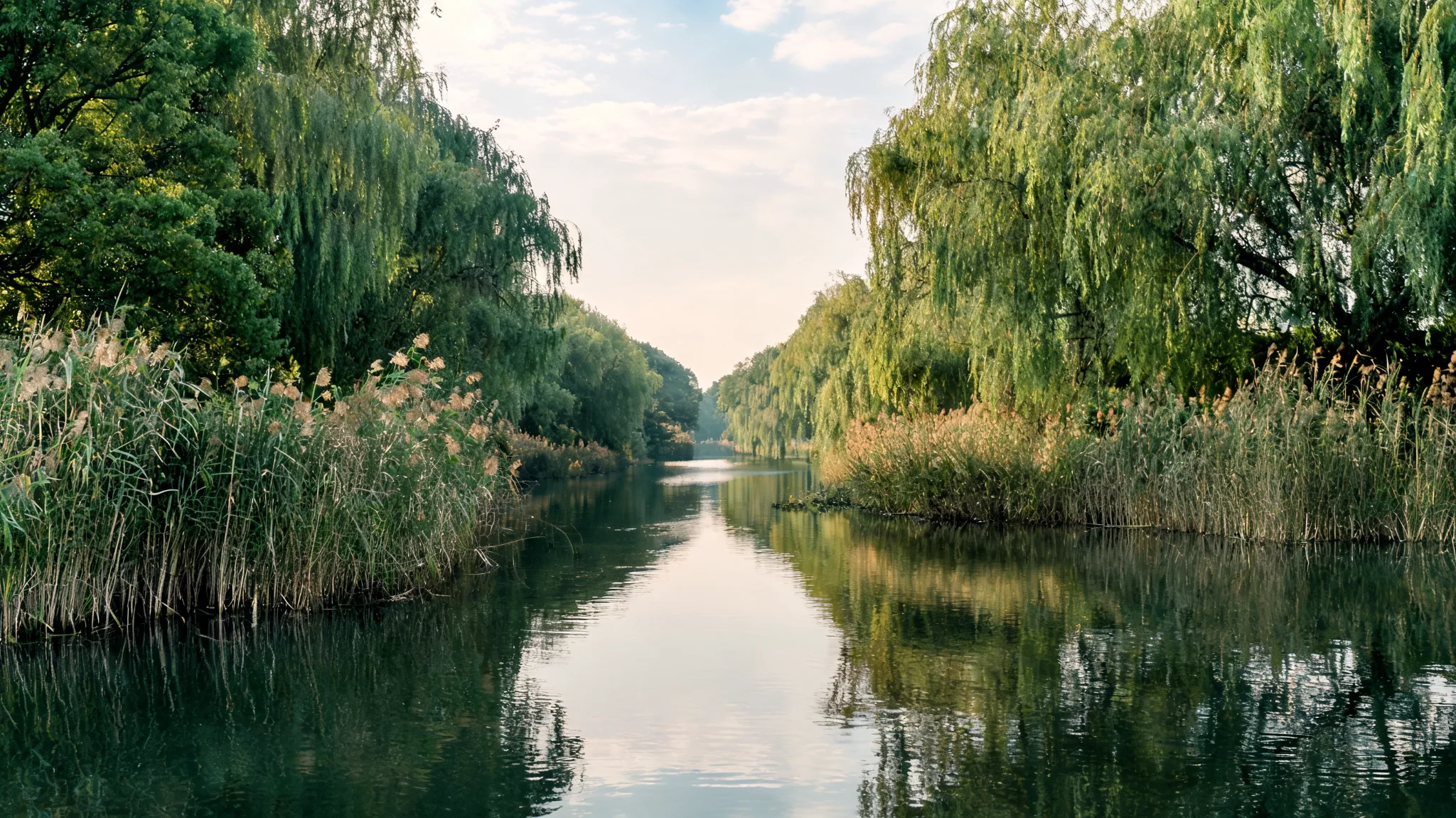
Day 5. Into the Ionian and up the mouth of the Acheron. Inland the water runs so cold and so clear that the ancients decided it came from somewhere else, and it is easy to agree with them while standing in it.

Afternoon in a mountain village that had eleven hundred people within living memory and now has forty. You are received in a house by a woman in her eighties who stayed through everything that emptied it — the war, the years after it, the buses that took the young to Germany and Melbourne. She is not a guide. She will show you the schoolroom and the room where her brothers slept.

Evening, in a stone chapel with no electricity, four men sing Epirot polyphony — the oldest surviving music in Europe, held in the throat rather than written down. There is no stage and no applause line. It is closer to weather than to performance.

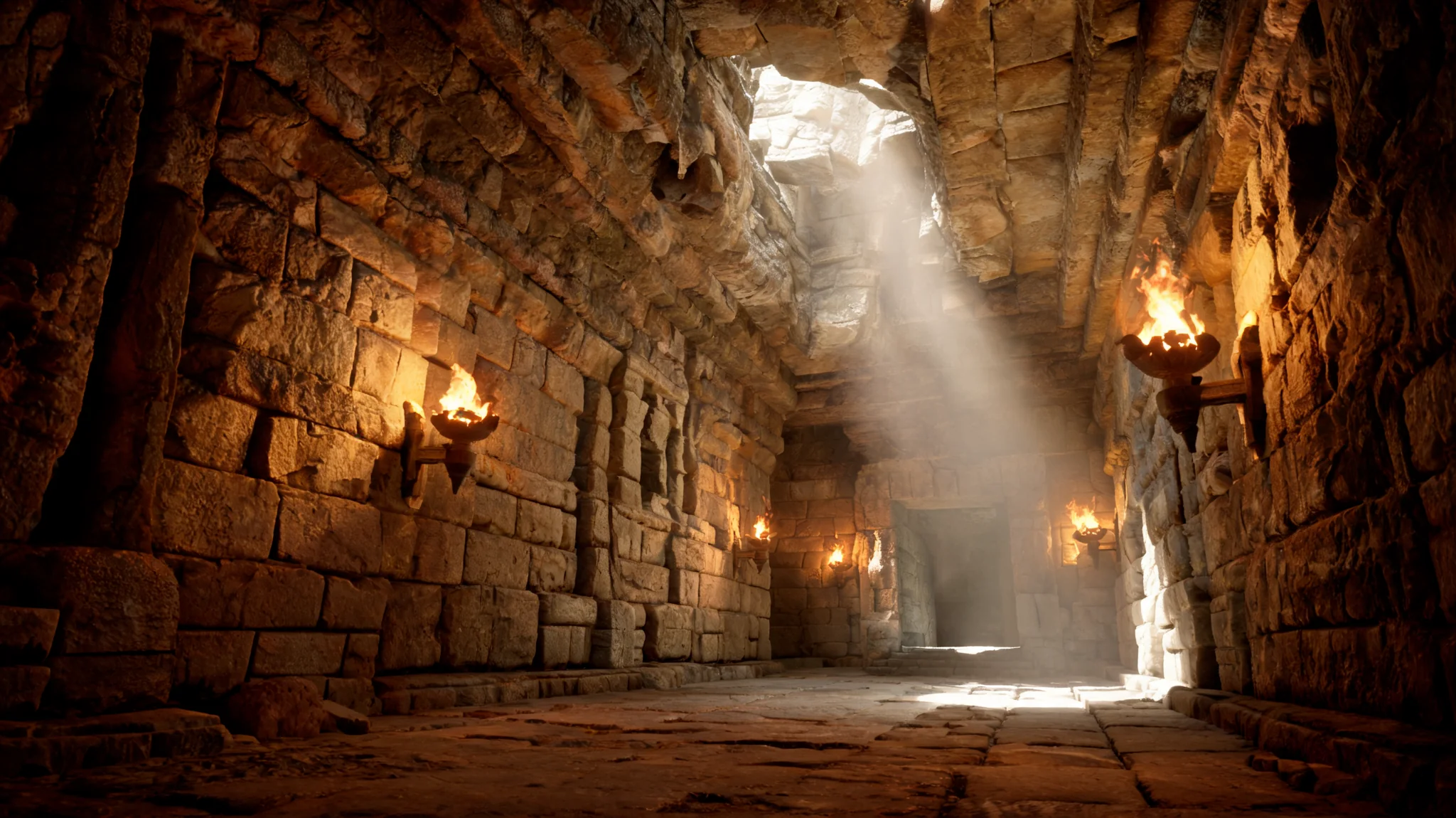
Day 6. Private, after-hours access to the Necromanteion of Acheron: down through the dark chambers where Odysseus came to ask the dead for directions. You will go down without commentary and sit in it.

Afterwards, the counter-argument. An archaeologist who does not believe the building is an oracle at all — she reads it as a fortified farmhouse — will make her case on the stones themselves, against a colleague who disagrees. You are not being sold a certainty.

The Experience

A silent night at anchor in a cove reachable only from the sea, with no light on the water but the ship.

Tonight · Aboard, in a hidden cove in Epirus.

Still waters of the Acheron landscape
Ancient underground stone chamber

Chapter IV · Days 7 & 8

The Siren's Song & the Sorceress

Li Galli · Monte Circeo, Italy

“The balance between intellect, temptation, and power.”

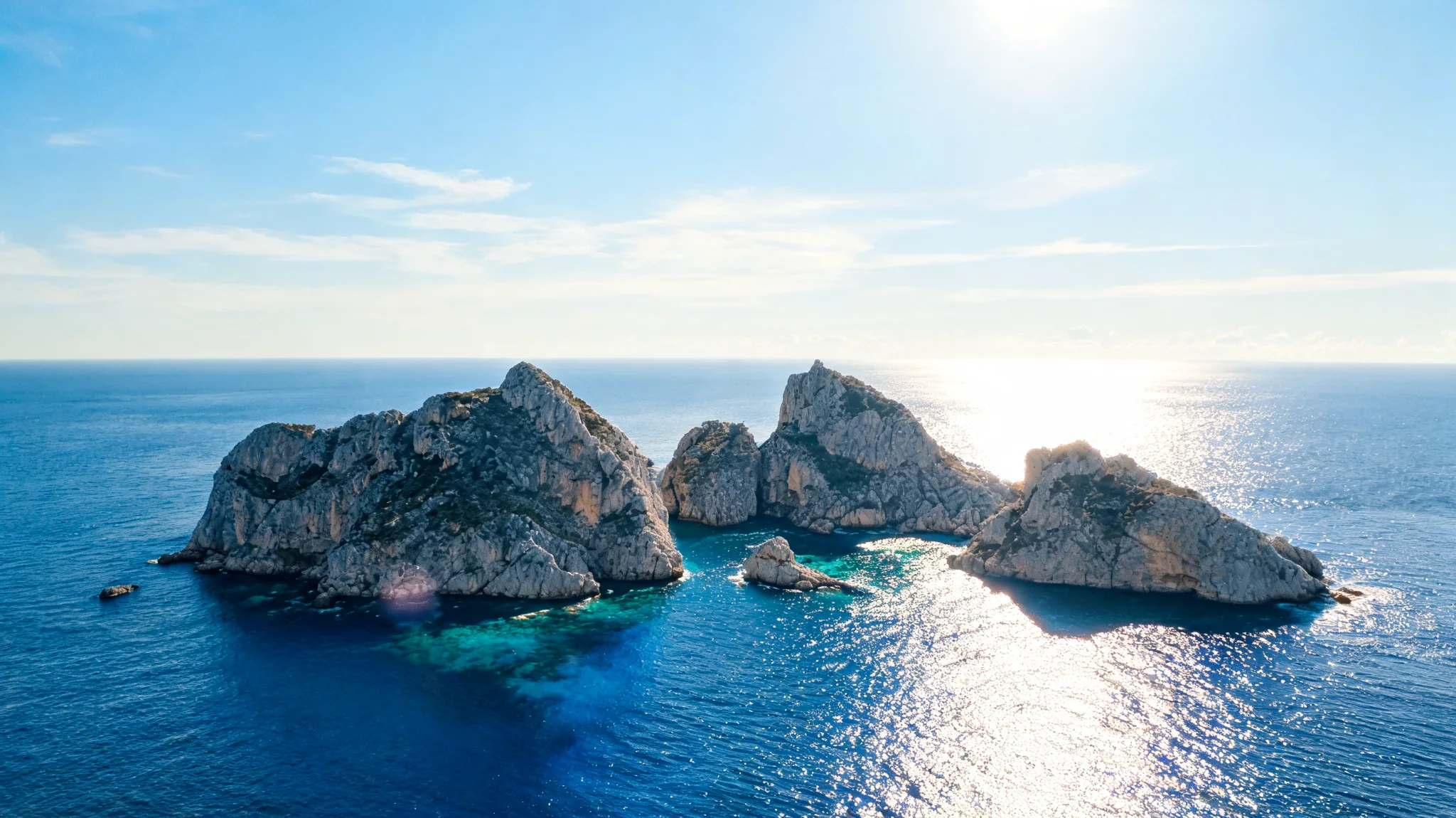
Day 7. Sailing through the Sirenuse. The temptation in the poem is not pleasure but knowledge — the sirens offer to tell him everything, and he has himself tied to the mast so he can hear it and survive it. It is a familiar bargain to anyone who has run something large.

That afternoon, aboard, an hour with someone who has sat where the decisions were made: a principal of one of the Greek shipping families whose vessels still move a fifth of the world's tonnage, and who has had to choose, more than once, between a route and a war. Four generations of charts, and no interest in flattering anyone.

Evening in a private house on the coast rather than a restaurant, where the argument continues over a longer table.

Day 8. Helicopter from the yacht to the ridge of Monte Circeo. From the summit the whole trap becomes visible at once: the promontory, the marsh behind it, the sea road past it. Circe's island was never an island. It is a place that controls a passage, which is the only kind of place that has ever mattered on this water.

Down the mountain to a woman who works the herbs of the promontory commercially and has done since she was fourteen, in her own kitchen, on her own terms. You will cook with her. The lunch that follows is the one she eats.

The Table

Lunch in a working kitchen on Monte Circeo, cooked with the woman whose herbs it is built from — not a chef performing foraging, but a trade.

Tonight · Aboard, off the Tyrrhenian coast.

The Sirenuse islands from above
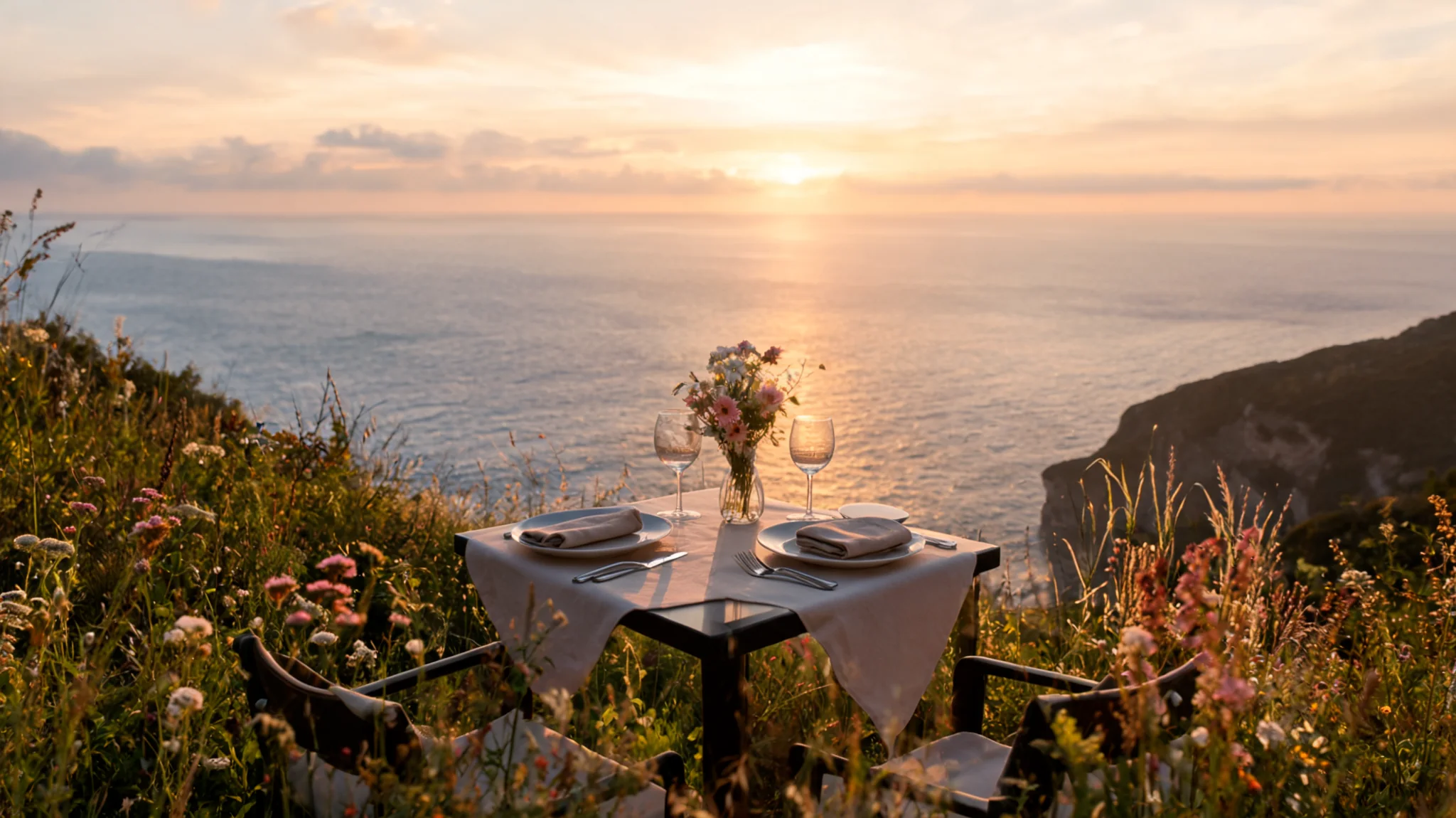
Private cliffside table at sunset

Chapter V · Days 9 & 10

The Last Sanctuary

Corfu · Phaeacia

“The transition from the struggle of the sea to the recognition of the self.”

Day 9. Corfu, where the shipwrecked man is finally recognised as a king — the only place in the poem where hospitality is offered before anyone asks who he is. Exclusive use of an eighteenth-century Venetian villa above the sea.

Morning in a boatyard on the north coast with one of the last men building caiques by eye, without plans. He is teaching two apprentices, which he mentions is one more than he expected. You will work a plank with him, and hold the tool wrongly until he corrects you.

Afternoon, an hour with a former Greek minister of finance who was in the room in 2015 when the banks closed and the island economies went to cash. Corfu is a place that lives entirely on visitors; the question of what a visitor is worth, and what he costs, is not abstract here. Ask it directly.

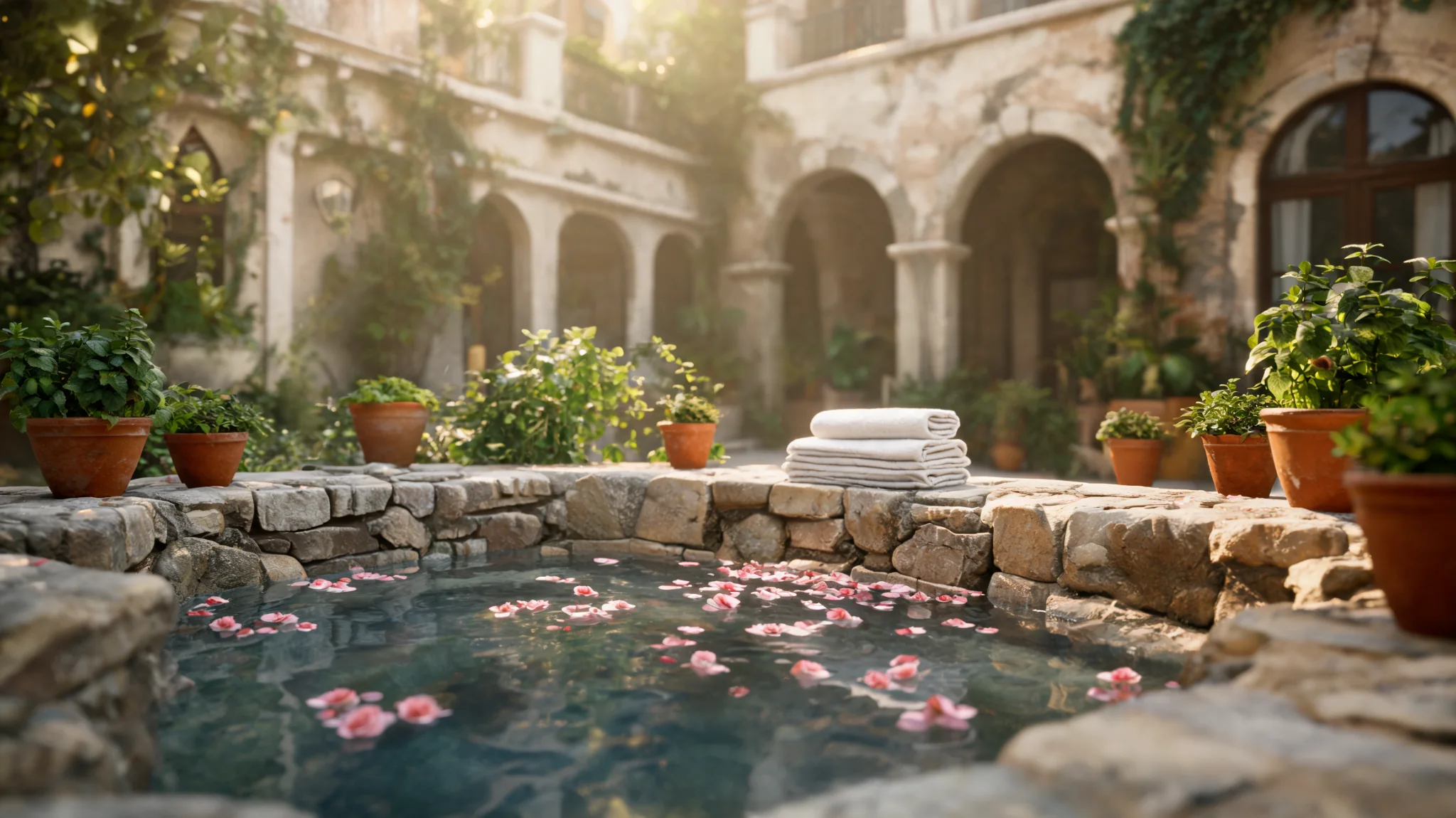
Day 10. A slower day at the villa: sea, an old Mediterranean bathing ritual, and time to do nothing with. If you would rather not be still, an icon painter's studio in the old town is open to you — gold leaf, egg tempera, and a craft that has not altered its method in six hundred years.

Late afternoon, the captain lays the chart on the table and briefs the last passage to Ithaca with the family who will receive you there. This is the only planning conversation of the journey you are asked to attend.

The Experience

A morning in a working boatyard, shaping a plank alongside a builder who works without drawings.

Tonight · The Venetian villa, in exclusive use.

Venetian villa courtyard in Corfu
Luxury spa terrace at sunset

Chapter VI · Days 11 & 12

The Return

Ithaca · Kefalonia

“He came home a stranger, and had to prove it was his.”

Day 11. Seaplane from Corfu, down over the cobalt channel, and ashore on Ithaca — an island that may not be Ithaca. A scholar will walk you across the western peninsula of Kefalonia and make the serious case that Homer's Ithaca is under your feet there instead. Two islands, two libraries of evidence, no verdict. You will leave without one.

Afternoon on Ithaca itself, with a family whose grandparents left after the ground moved in 1953 and whose children came back sixty years later to a house that had waited. They will tell you what the returning was actually like, which is not the version in the poem. Homecoming, they will say, is mostly paperwork and grief.

With them, in an abandoned terrace above their village, you will graft scions onto old olive stock that has not been worked in seventy years. The trees are older than the poem's manuscripts. Your grafts are entered by name in the village register, and the family tends them. In eight years there is oil.

Day 12. A morning under sail in the channel, then up to a hilltop above the sea for the last table — the family from yesterday at it, alongside the crew who brought you here.

And then the mirror. Since Çanakkale, the captain has kept a paper log: your positions, your watches, the wind on each day, the coves. It is presented to you hand-bound, with the marked chart of the passage — every course you actually sailed, in pencil, corrections and all. The four Epirot singers have travelled down for the evening; the song they close with is your own crossing, in the old form, with the names of the places you stopped. It has never been sung before and will not be sung again.

Private jet from Kefalonia in the evening. The olives stay.

The Mirror

The captain's hand-bound log and pencilled chart of your own passage, and a polyphonic song composed from it and sung once.

Tonight · Departure from Kefalonia.

Seaplane over the Ionian islands
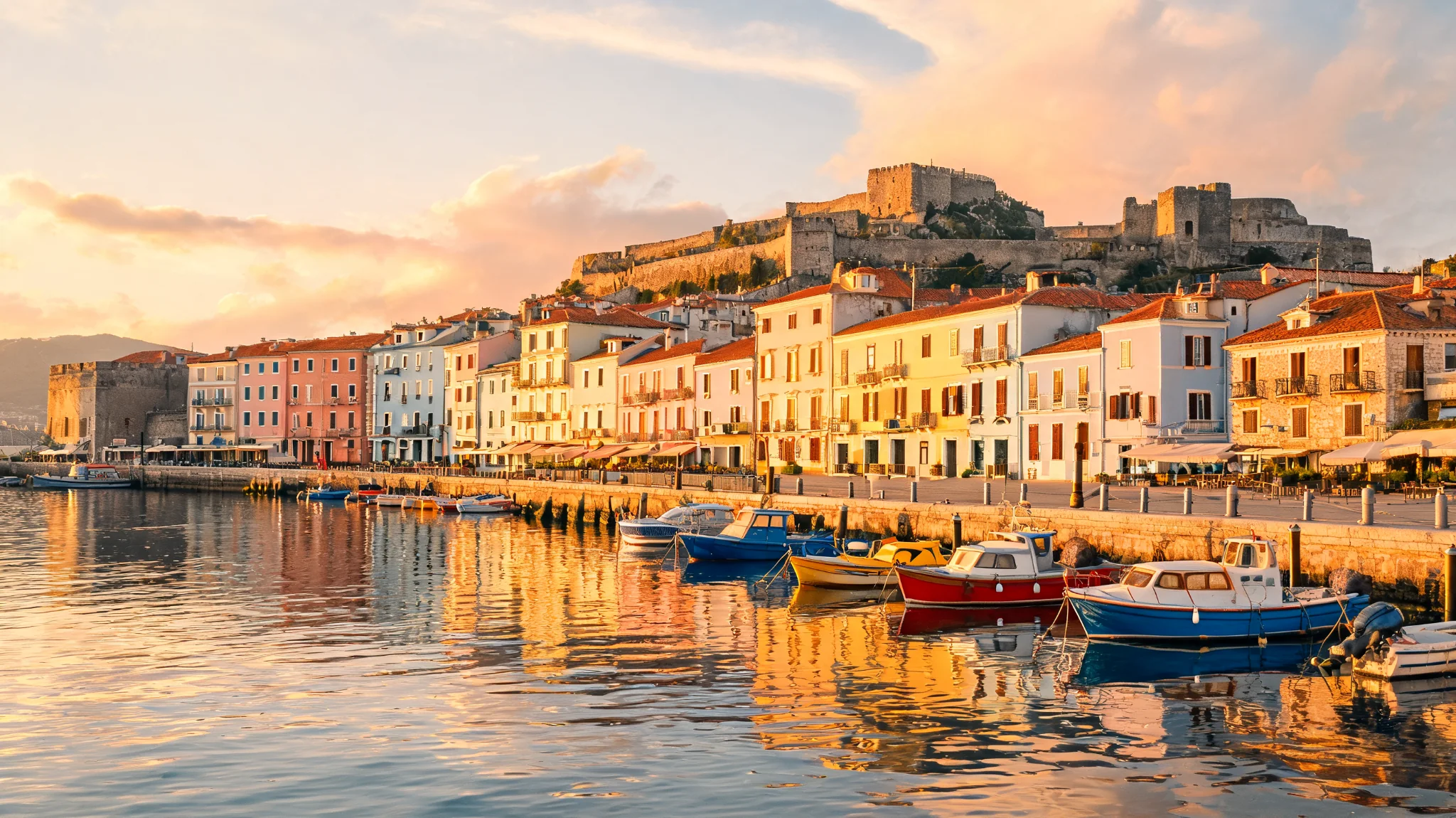
Hillop estate on Ithaca at sunset

The Epic Return

Some journeys take you somewhere new. This one brings you home.

  • 12 days
  • Troy · The Dardanelles · Epirus · Li Galli & Circeo · Corfu · Ithaca
  • Private jet · 45m sailing yacht · Seaplane · Helicopter

Enquire

Begin this journey

This itinerary is a starting point, not a product. Tell us your dates and we will rewrite it around your family.