CIRCLE & KEYPrivate Travel Atelier
← Asia

A Circle & Key private passage

Between Two Worlds

A Private Passage Through Japan

10 Days · 9 Nights · Tokyo · 3 nights → Kaga · 2 nights → Kyoto · 4 nights

The Preface

Japan will not explain itself to you.

A city that has been rebuilt twice from ash, and a man who has repeated the same gesture with a brush for fifty years. Both are Japan. Neither explains the other.

Most journeys here are arranged around objects — gates, gardens, counters, temples. This one is arranged around people, and around the arguments this country is still having with itself.

Over ten days you will sit with someone who spent a career deciding how Japan would answer the world, and with a lacquer master whose workshop floor is still cracked from the morning the coast moved. You will be given ways of thinking before you are given things to look at.

The pace changes deliberately. Contemporary Tokyo first. Then the snow country of Kaga, where craft survived partly because the mountains made leaving difficult. Only then Kyoto — less a preserved city than an unfinished argument about what preservation means.

Something will be left behind, and something made during the week will be waiting on the last evening.

Some parts of this journey have deliberately been left out.

01 · Tokyo

The City Twice Rebuilt

Chapter I · Japan Now — 東京

“Nothing you can see from up here is older than a grandmother.”

Arrive in Tokyo and transfer privately to Janu Tokyo, in the contemporary heart of Azabudai Hills. There is no sightseeing today. Settle in. Sleep if you need to. Or don''t.

In the late afternoon we go up — high, and alone — above a city that extends past every horizon. What you are looking at is not an old capital. It is a surface. Nineteen twenty-three took the city down once; nineteen forty-five took it down again. Almost nothing in view is older than a grandmother.

Hold that in mind for the next ten days: a country that lost its physical past twice and chose to keep continuity in gestures, materials and hands instead. Everything later in this journey follows from that decision.

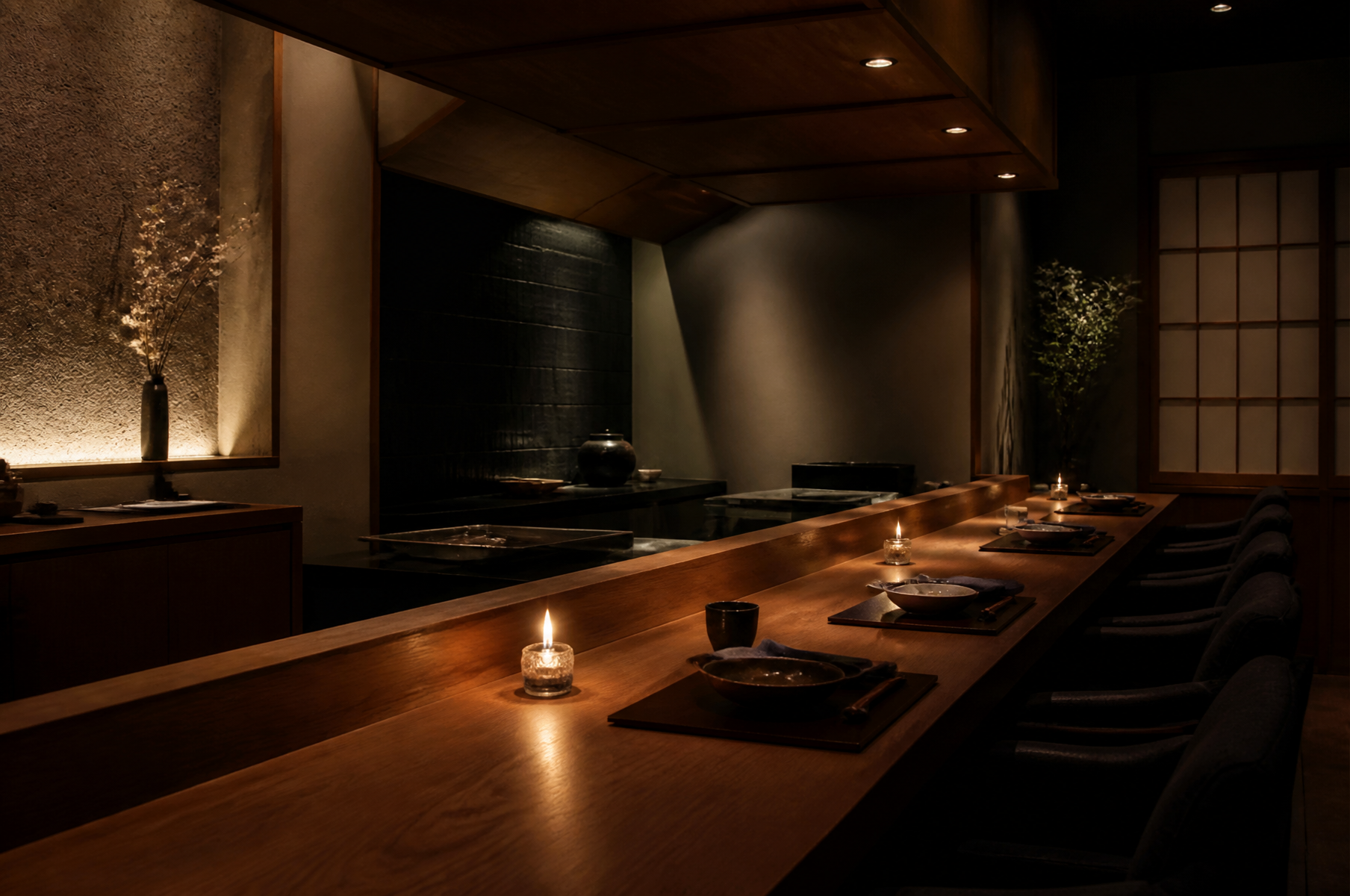
Then one dinner. A counter, a chef, very few seats — and the first evidence of what it costs a person to do one thing exceptionally well.

The Layer · Terrain as argument

The city read from above, before anyone tells you what it means. The flatness is the argument.

Tonight · Janu Tokyo
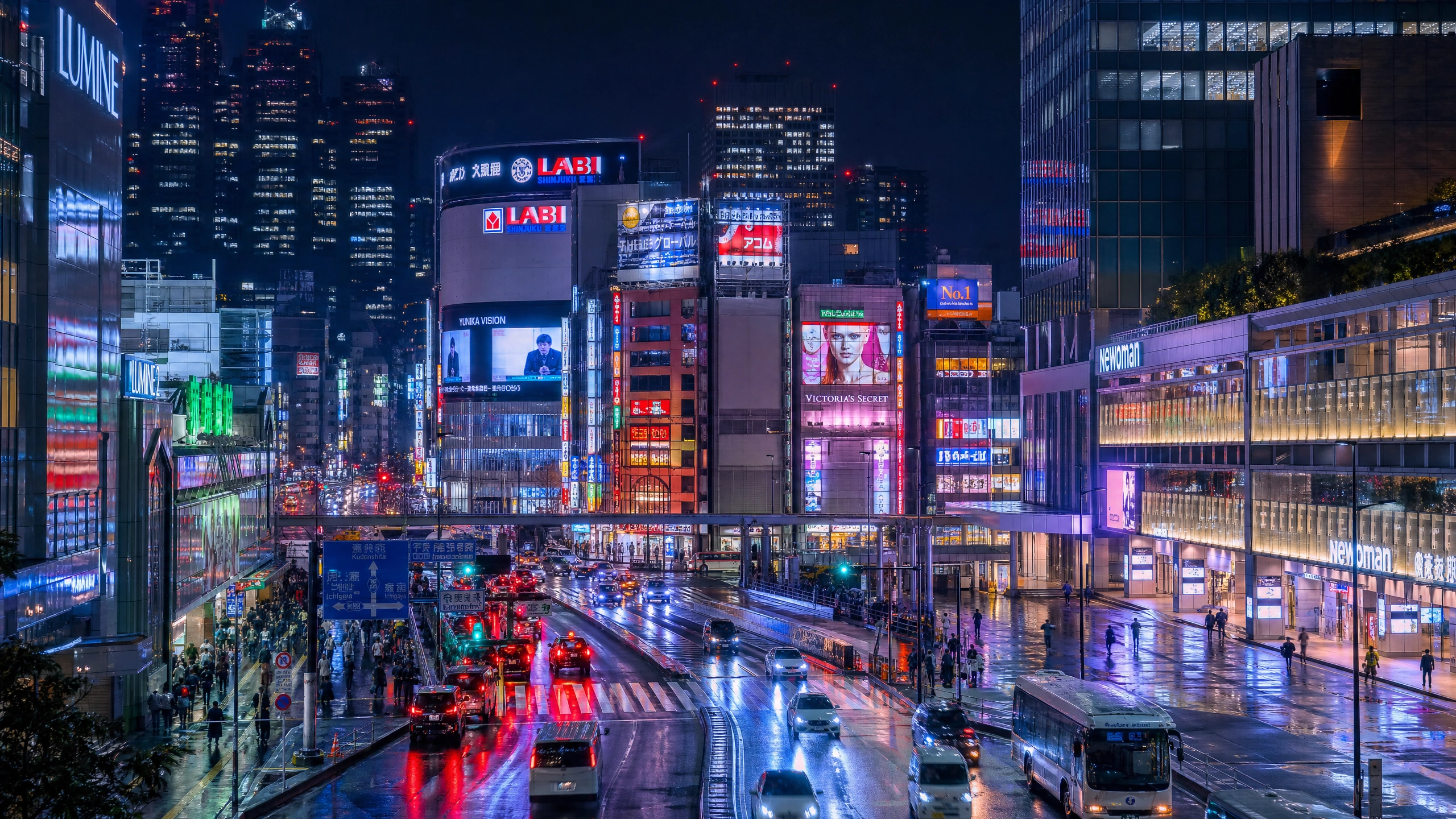
Tokyo extending toward the horizon at dusk

02 · Tokyo

How the Decision Was Made

“Proximity is a different thing from information.”

Late morning, in a private room, with someone who spent a working life deciding how this country would answer the world — a former ambassador, a retired policy-board member, a minister''s permanent official. Which of them depends on who is in Tokyo that week and what you want to press on.

The value is not the briefing. It is watching a person describe a decision they carried, and hearing where they still think they were wrong.

In the afternoon, a different kind of mind: a writer or historian whose subject is Japan itself. Not a guide. A lens. Postwar bargain, demographic arithmetic, the quiet argument about whether the country should change faster or refuse to. After two hours with them, the rest of the journey lands somewhere deeper.

Dinner is unhurried and nearby. Most guests talk about the morning until late.

The Layer · Power, then interpretation

One conversation with someone who decided; one with someone who can frame what that decision cost. Nothing is recorded, and nothing said in the room is repeated by us.

Tonight · Janu Tokyo

A quiet private room in Tokyo set for a small conversation

03 · Tokyo

The Hand and the Night

“The body understands things a briefing cannot reach.”

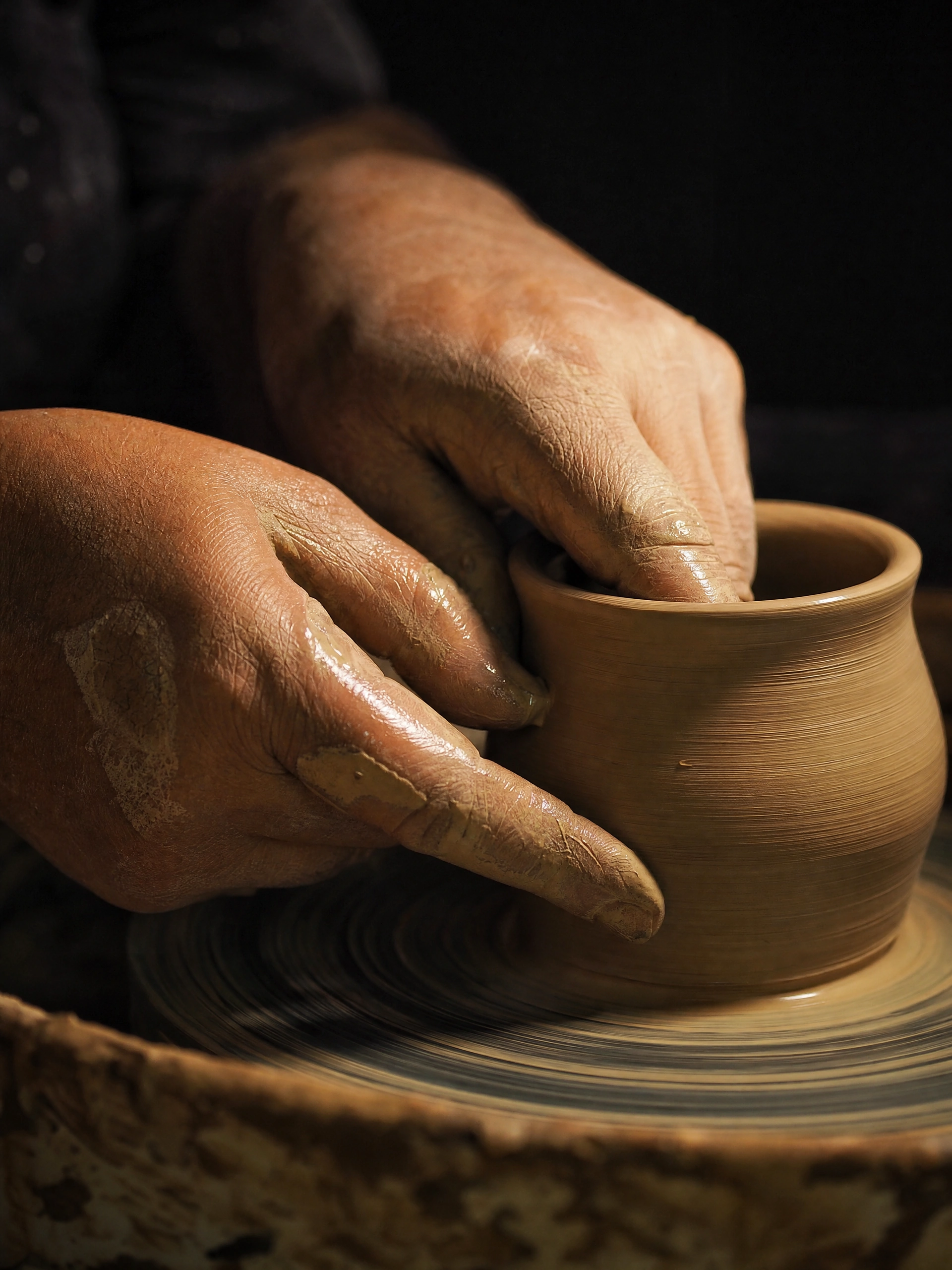
Morning in a working district of studios — the kind of low buildings where welders, printers, ceramicists and lacquer workers share a street and a coffee machine. We visit two people in their own rooms. No showroom, no display, no interpreter smoothing the edges.

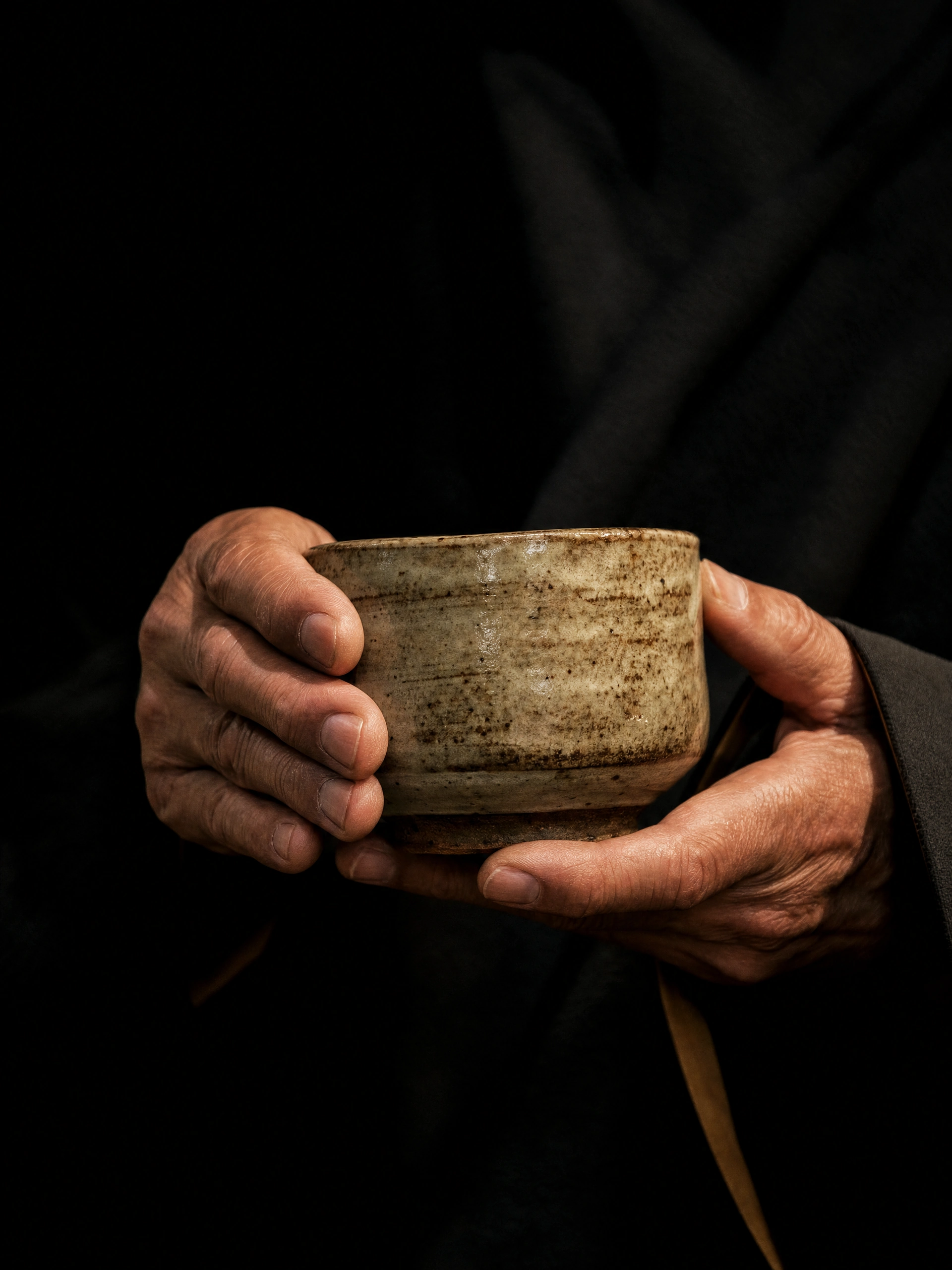
Then your own hands. A blade set against a whetstone, a brush loaded correctly, a sheet of gold leaf that tears if you breathe at it. Twenty minutes of failure teaches what a museum label cannot: how much of this country is muscle memory.

Tonight unfolds in stages. The first place is extraordinarily refined. The second is considerably less obvious. The third does not appear in this itinerary.

The Layer · Embodiment · The Night We Won't Describe

Tokyo is particularly good at keeping secrets. We intend to let it keep this one.

Tonight · Janu Tokyo

Tokyo streets after dark

04 · Tokyo → Kaga

Why Craft Survived Here

Chapter II · The Space Between — 加賀 · 余白

“Geography decided which traditions lived.”

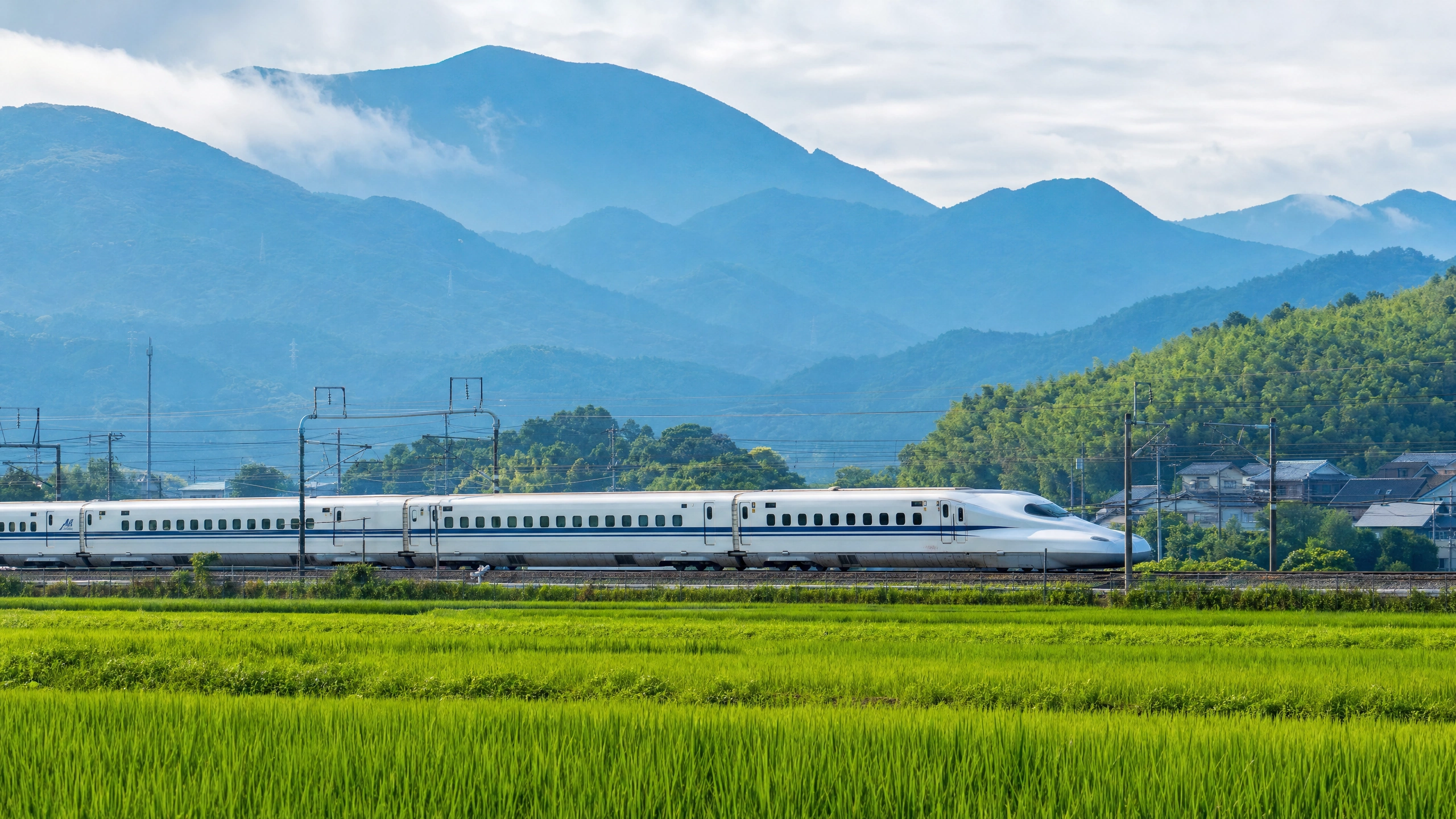
This morning we go to Tokyo Station. No private aircraft, no helicopter. The train is part of Japan, and therefore part of the journey.

Buildings become suburbs, suburbs become rice, rice becomes mountain. Watch the wall of the Japan Alps arrive on the right. Behind it, snow arrives in November and stays. For centuries that made the coast difficult to leave and difficult to reach — so the lords of Kaga spent their money on lacquer, silk, gold leaf and dyeing, and the winters gave craftsmen the one thing craft needs: months indoors with nothing else to do.

That is the whole reason this region still makes what it makes. Not taste. Weather and distance.

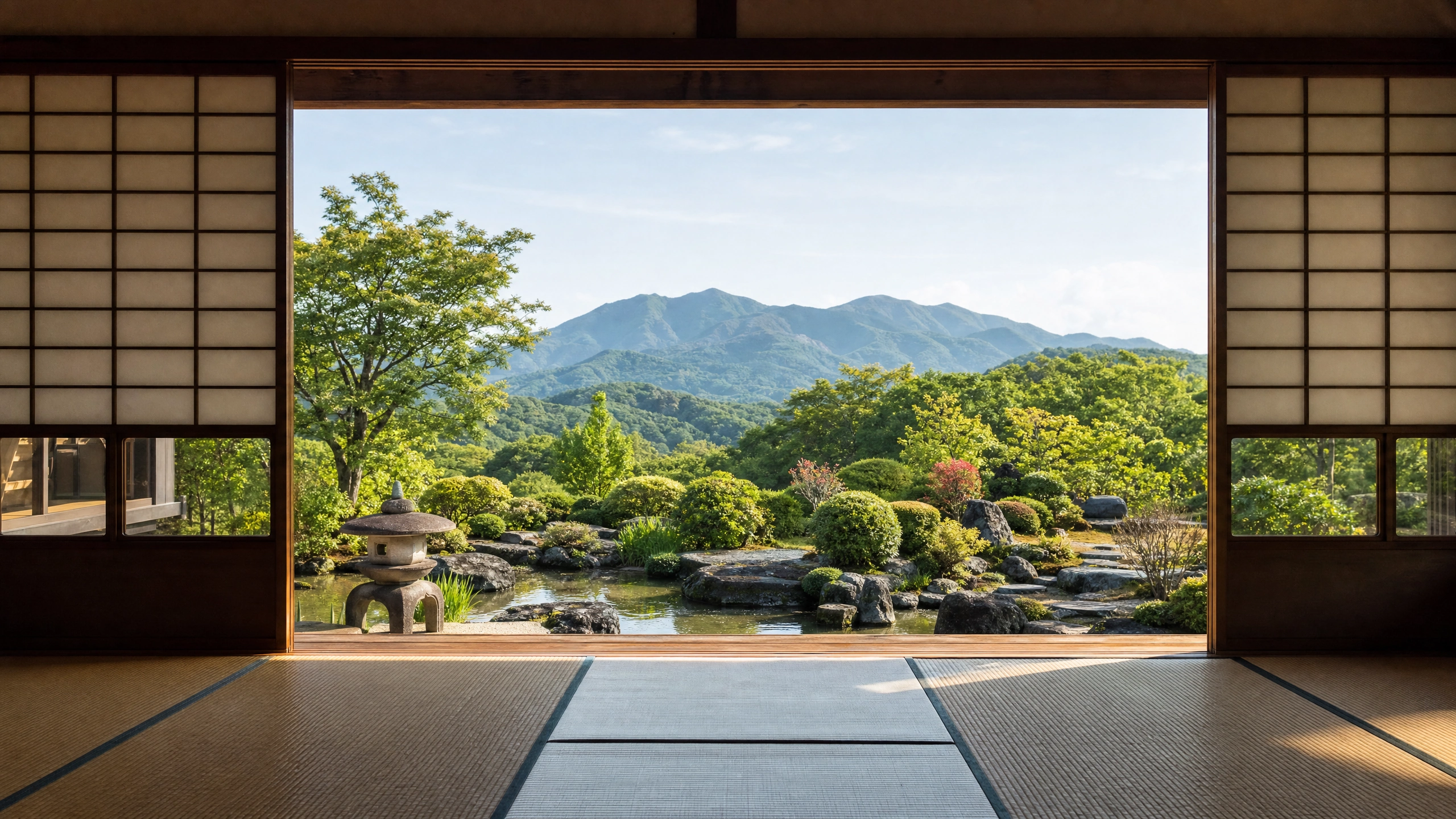
The night is spent in a small ryokan held around a moss garden. Shoes at the door. Dinner course by course, in the room, in its own time. Later the hot spring, then the particular quiet of sleeping close to the floor. Nothing here asks anything of you.

Tonight · A small ryokan in Kaga

The mountain wall of the Japan Alps seen from the train to Kaga

05 · Kaga · Noto

The Morning the Coast Moved

“Some people do not describe an event. They were the event.”

There is one appointment today. Only one — but the road to it is part of it.

On the way north the road runs beside a harbour that is no longer a harbour. On the first day of January 2024 the seabed here rose several metres in a few seconds, and the fishing boats were left standing dry above their own waterline. We stop for ten minutes. There is no guide and no commentary. You will understand what you are looking at without being told.

Then the appointment. Among what broke that morning were workshops that had made lacquer in the same families for three hundred years — kilns, drying rooms, tools, stock, and the wooden houses the drying rooms depended on. We sit with one of those makers. Not for a lecture on technique. For the account of that morning, what was lost that cannot be reordered, and the decision — taken slowly, and not by everybody — to begin again on the same ground. He will show you a bowl that survived and a bowl that did not.

Before we leave, something practical: with him, and at your discretion, the materials for the next season's work — urushi, wood stock, an apprentice's year. It is arranged quietly, in his name, not ours, and it is his to direct.

Then back to the ryokan. Onsen. Garden. A book. Tea. Nothing.

The Layer · Witness, and contribution

Testimony first. Then the chance to leave something behind that outlasts the week — and belongs entirely to the person who receives it.

Tonight · A small ryokan in Kaga

Onsen and moss garden at the ryokan in Kaga

06 · Kyoto

Entering the Basin

Chapter III · Japan Within — 京都

“You should arrive in Kyoto slowly enough to notice the change.”

We leave Kaga in the morning and travel to Kyoto by train. The city announces itself by geometry: hills on three sides, one open mouth to the south, a grid laid down twelve hundred years ago and never abandoned. A basin is a container. What is poured into it stays.

Our base is The Shinmonzen, nine suites in Higashiyama. Shoes are left at the door. The room faces inward. Dinner, if you wish, is served in private, course by course.

In the late afternoon, one door before the city closes. A machiya under restoration, or an incense house that has blended for the same temples since the sixteenth century — whichever is right for the week you have arrived in. Half an hour with the person responsible for it, in the smell of cut cedar or of ash and aloeswood, while the light goes.

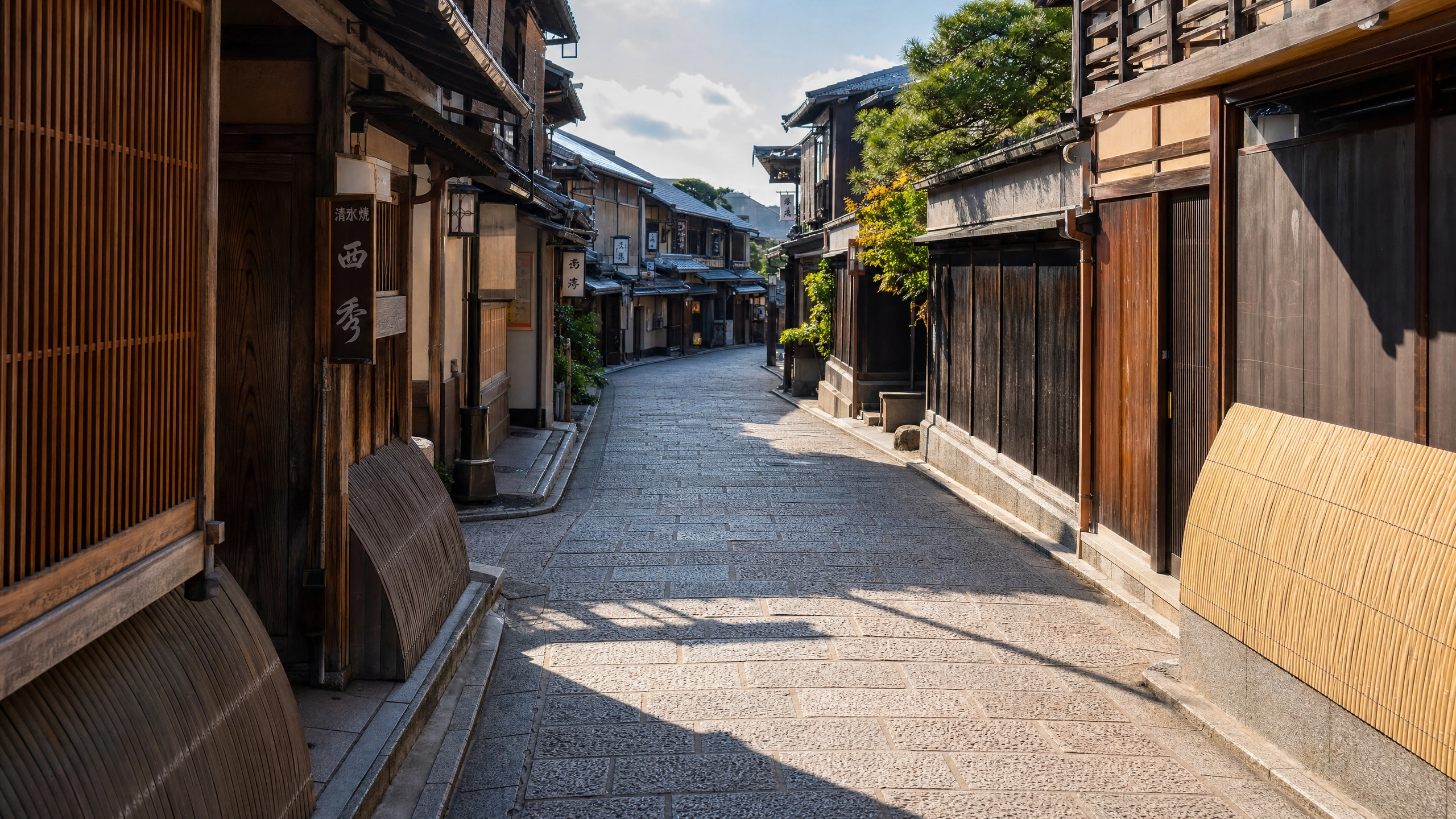
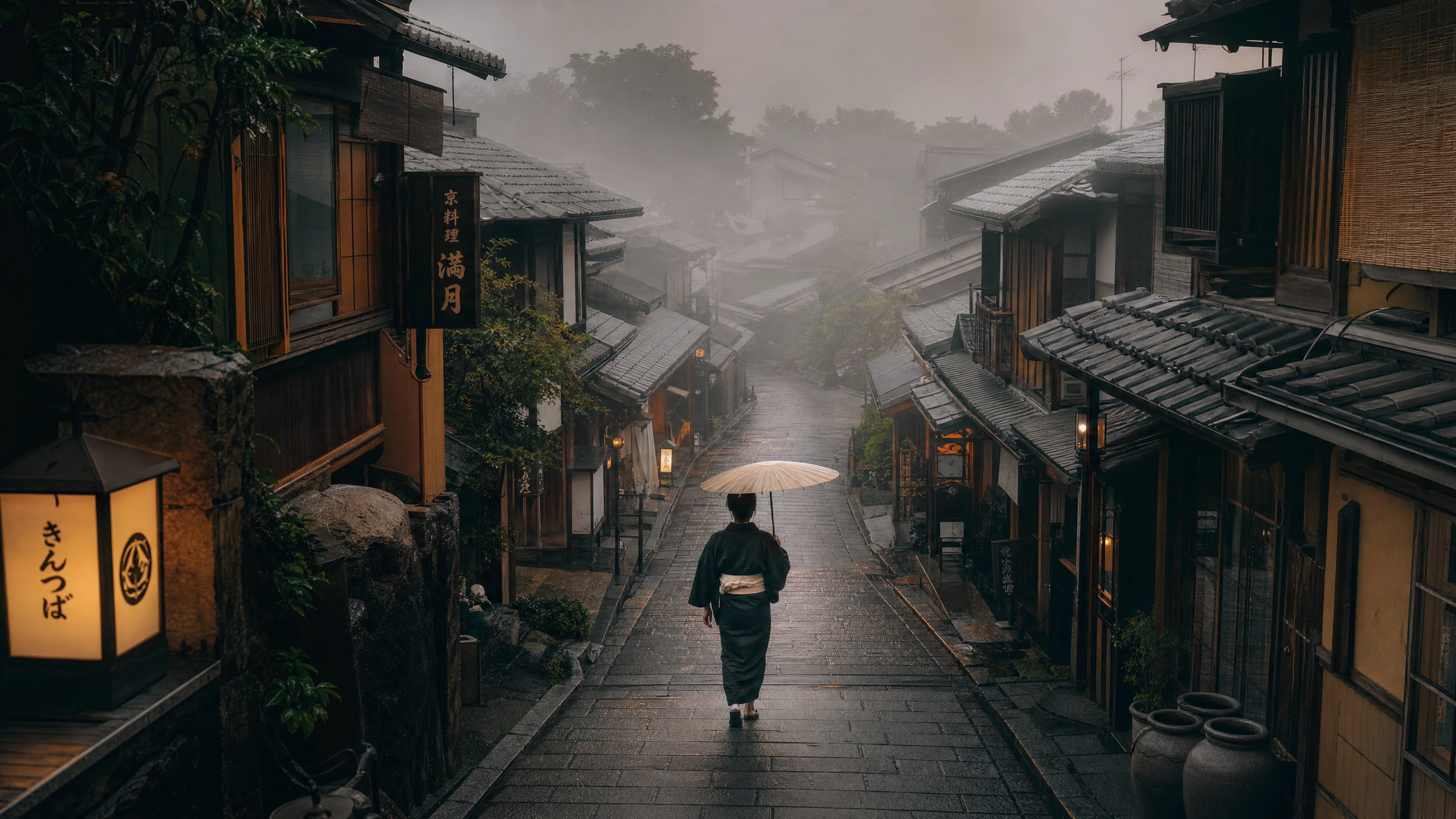
Then we walk the edges rather than the centre — a hillside temple at closing hour, a lane of wooden fronts, the sound the city makes when the buses have gone. The first sense of a way of life that did not have to be revived, because it never fully stopped.

Tonight · The Shinmonzen

A quiet lane in Higashiyama, Kyoto

07 · Kyoto

Before the City Wakes

“The keeper, not the guide.”

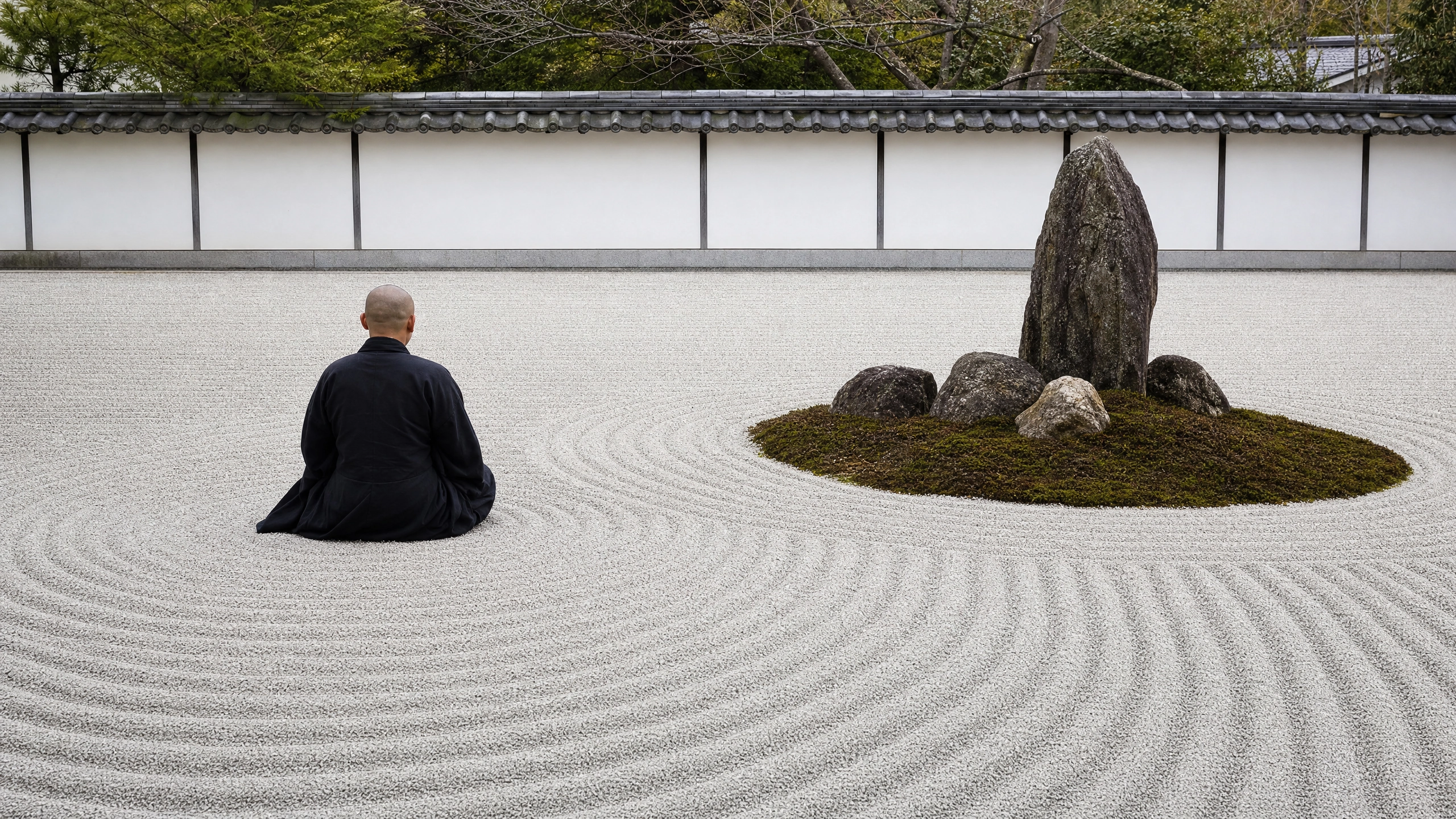
We begin very early. Before the gates open, we are inside one of the places that made Kyoto famous — not to see it, but to be in it while it is still private. Cold air, unswept gravel, one bell.

Whoever receives us belongs to the building: a priest, the head gardener, the person responsible for what is kept in the storehouse. They speak beside the object rather than about it, which is a different register entirely — and if you ask what worries them about the next thirty years, you will get an honest answer.

If you wish, you sit for the morning practice. Not observed from the aisle. Sat, on the floor, for as long as your knees allow.

Afterwards, breakfast in a quiet neighbourhood. The rest of the day is deliberately open.

The Layer · Threshold and interior life

A closed hour, opened. Not skipped queues — nobody else is there.

Tonight · The Shinmonzen

A Kyoto temple garden in early morning light

08 · Kyoto

The Argument the City Is Having

“In Kyoto, beauty is usually something somebody knows how to make — and someone has to be next.”

Today is spent with makers, and inside their disagreement.

A dyer, a ceramicist, a woman who rebuilt a wooden townhouse the neighbourhood expected to be demolished. In their world, at their bench, with lunch wherever they eat it.

And the question asked out loud, more than once: who takes this after you? Kyoto is genuinely split. One side holds that a tradition survives only unchanged, in the family, in the same district, at the same scale. The other holds that a craft with no heir is already finished, and that the apprentice from Osaka, or Copenhagen, or a design school, is not a dilution but the only continuity available. Both sides are serious, both can point to something ruined by the other, and we will not resolve it for you over dinner.

Dinner is somewhere simple and serious, and the conversation usually stays on that argument longer than anyone intends.

The Layer · Deliberate friction

We include the dispute rather than smoothing it. A journey that never makes you uncomfortable is a brochure.

Tonight · The Shinmonzen

A Kyoto atelier where things are still made by hand

09 · Kyoto

A Private Table, and the City at Dusk

“The signal is not that we were catered to. It is that we were let in.”

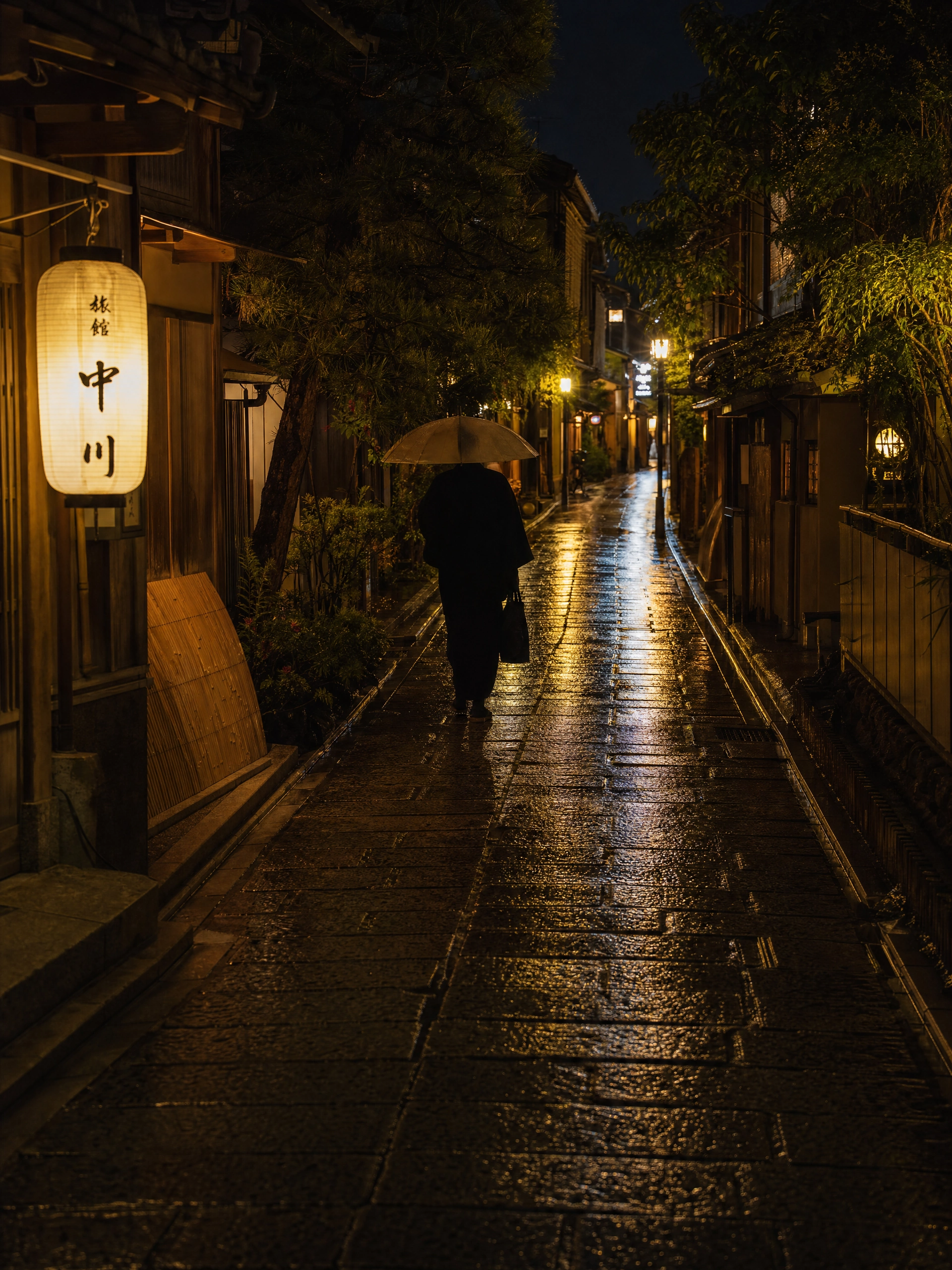
The morning is open. In the late afternoon we return to a part of the city you have already walked, but at the hour when it belongs to Kyoto again — lanterns, shadow, wooden sandals on stone, shutters coming down.

Before that, if you want it, there is an hour available with a priest at a temple that does not receive visitors. Not zazen instruction. The conversation people tend to have on the ninth day of a journey like this, when they have begun to work out what they came for. Whether you go is entirely your decision, and we will not ask about it afterwards.

Then the evening that most guests remember longest, and the one we describe least in advance: a private house, a family who are part of our life here rather than our supply chain, their own kitchen, their own table, their children coming and going. No performance, no explanation of the food, no scheduled end. Correspondence usually continues after you leave. That is the point of the evening.

The Layer · The private table, and continuity

A real home, an unedited conversation, and a relationship that outlives the journey.

Tonight · The Shinmonzen

A Kyoto street at dusk, lanterns along wooden facades
A private table set in a Kyoto family home

10 · Kyoto

Leave Before You Understand It All

“Japan should remain slightly unresolved.”

Wake early if you want. At this hour Gion belongs to delivery bicycles, temple bells, shopkeepers and people beginning ordinary days.

There is no farewell sightseeing programme. Instead, one thing is waiting: the object your own week produced. The piece touched at the whetstone in Tokyo, finished properly by the person whose bench it sat on. The bowl chosen in Kaga, with the maker''s note. A single photograph of the table you were let into.

It is handed over the way things are handed over in this country — with both hands, and without a speech. What the ten days were about is visible in it, which is the only summary we intend to give you.

A door. A garden. The space between two objects. The best journeys leave something unfinished.

The Layer · Composition

Orientation, proximity, the hand, distance, testimony, threshold, friction, the private table — and an ending that reflects your own week back at you.

Tonight · The Shinmonzen

Gion at first light

Between Two Worlds

Japan Now. The Space Between. Japan Within.

  • 10 days · 9 nights
  • Tokyo · 3 nights / Kaga · 2 nights / Kyoto · 4 nights
  • Proximity to consequence. A lens before a view. Landscape as argument. The maker in their own room. The dispute left unresolved. Testimony. Something left behind. The hand taught what the briefing cannot teach.
  • Some parts of this journey have deliberately been left out.
  • The journey need not end here — private extensions shaped around your interests, the season, and the pace you wish to keep.

Enquire

Begin this journey

This itinerary is a starting point, not a product. Tell us your dates and we will rewrite it around your family.